
The psychological impacts of gambling understanding the mental game behind the odds
The allure of gambling: Understanding motivation
The allure of gambling often stems from its potential for quick financial gain, which can trigger excitement and adrenaline. People are motivated by various factors, including thrill-seeking, social interaction, and the hope of winning big. This desire for a potentially life-changing win can lead individuals to overlook the statistical realities of gambling odds. The excitement of betting in environments like casinos or online platforms creates a stimulating atmosphere that heightens these motivations. Many players find a wealth of options at slotshopper.nz, deepening their engagement with the gaming experience.

Additionally, many gamblers are drawn to the social aspects of gambling, such as playing with friends or interacting with other players. This social engagement can enhance the experience, making it more enjoyable and compelling. Individuals often find a sense of belonging in gambling communities, which can further encourage continued participation despite the risks involved. The social environment creates a positive feedback loop, where the thrill of winning and camaraderie reinforces gambling behavior.
Moreover, the design of gambling environments plays a significant role in attracting players. Bright lights, engaging sounds, and the thrill of competition can create an immersive experience. Marketers often leverage these elements to enhance the allure of gambling, making it more difficult for individuals to resist participating. As these stimulating experiences intertwine with psychological motivations, the potential for addiction increases, prompting a deeper exploration of the psychological impacts of gambling.
The role of cognitive biases in gambling behavior
Cognitive biases significantly influence how individuals perceive gambling outcomes. One of the most common biases is the gambler’s fallacy, where players believe that past events can influence future outcomes. For example, a player might assume that a slot machine is “due” for a win after a series of losses. This misconception can lead to irrational betting patterns, as individuals become overly optimistic about their chances of winning based on flawed reasoning.
Another prevalent bias is the illusion of control, which leads gamblers to believe they can influence the outcome of games of chance. Many players engage in superstitious behaviors, such as specific rituals or lucky charms, to enhance their perceived control over the game. This belief can exacerbate gambling behavior, as individuals continue to wager in hopes of exercising control over an inherently random process.
Moreover, the near-miss effect can reinforce gambling behavior by creating a false sense of success. Players may feel a rush of excitement when they come close to winning, believing that victory is just around the corner. This sensation encourages them to continue playing in pursuit of that elusive win, often leading to increased time and money spent on gambling activities. Understanding these cognitive biases is essential for recognizing how they contribute to the psychological impacts of gambling.
Addiction: The psychological consequences of excessive gambling
Gambling addiction is a serious psychological disorder that can have devastating consequences on individuals and their families. The thrill of winning can lead to repeated behaviors that ultimately spiral into a compulsive need to gamble. Those affected may develop an inability to control their gambling habits, leading to financial instability and strained relationships. The psychological toll can manifest in anxiety, depression, and even suicidal thoughts as individuals grapple with the consequences of their addiction.
Research indicates that individuals with underlying mental health issues, such as depression or anxiety, may be more susceptible to gambling addiction. Gambling can provide a temporary escape from life’s stresses, creating a cycle of dependency where individuals rely on gambling as a coping mechanism. This reliance can lead to further emotional distress, complicating existing mental health conditions and creating an ongoing struggle for those affected.
Furthermore, the stigma surrounding gambling addiction often prevents individuals from seeking help. Many people may feel embarrassed or ashamed about their gambling behavior, which can exacerbate feelings of isolation and hopelessness. It’s crucial to foster open discussions about gambling addiction to promote awareness and encourage those in need to seek professional assistance. Understanding the psychological consequences of excessive gambling is vital in addressing this growing public health issue.
The impact of technological advancements on gambling behavior
Technological advancements have revolutionized the gambling landscape, particularly with the rise of online casinos and mobile gaming applications. These platforms provide unprecedented accessibility, allowing individuals to gamble from the comfort of their homes or on-the-go. The convenience of online gambling can lead to increased participation, often without the same awareness of risks associated with traditional gambling environments.
Additionally, the integration of gamification elements, such as rewards and challenges, can further encourage gambling behavior. These features create a sense of achievement and engagement, making it easier for individuals to become immersed in the gambling experience. However, this immersion can lead to addictive patterns, as players may chase the next reward or level, often at the expense of their financial and emotional well-being.
Moreover, the rise of social media and peer influence plays a significant role in shaping gambling behavior. Platforms often showcase gambling wins and experiences, which can glamorize the activity and encourage participation. This form of social reinforcement can create a distorted perception of gambling, where individuals may feel pressure to engage in gambling to fit in or achieve social status. Understanding the implications of technological advancements is crucial in addressing the mental game behind gambling.
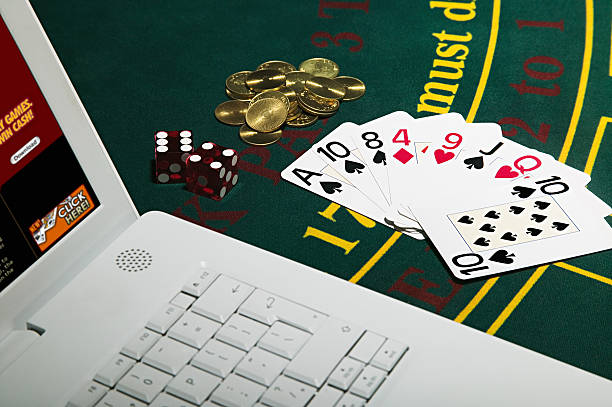
Exploring responsible gambling at Slots Hopper
At Slots Hopper, responsible gambling is a core principle, emphasizing the importance of maintaining a healthy balance while enjoying gaming experiences. The platform provides various resources and tools designed to help players set limits on their gaming activities. By encouraging players to establish personal boundaries, Slots Hopper aims to promote responsible gambling practices and reduce the risks associated with excessive gambling.
Additionally, Slots Hopper offers educational content and support for players seeking to understand the psychological impacts of gambling. By fostering awareness and knowledge, the platform empowers individuals to make informed decisions about their gambling behaviors. This commitment to education plays a vital role in creating a safe and enjoyable gaming environment for all users.
Through initiatives that emphasize responsible gambling, Slots Hopper strives to mitigate the potential psychological effects of gambling addiction. By prioritizing player well-being and offering support resources, the platform ensures a comprehensive approach to gaming that respects both entertainment and mental health. Ultimately, Slots Hopper aims to enhance the overall gaming experience while fostering a community of responsible players.